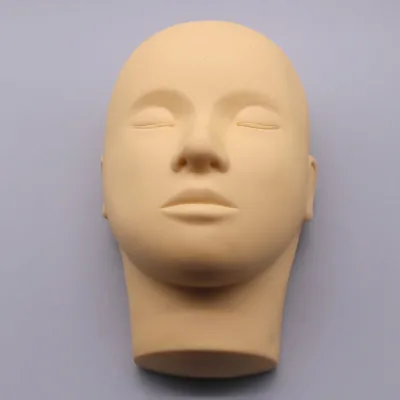
Source adjustable durable mannequin head for hat, wig, and jewelry display
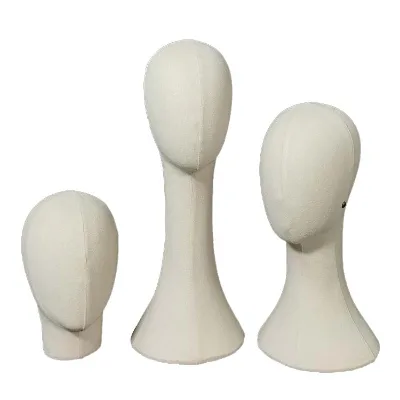
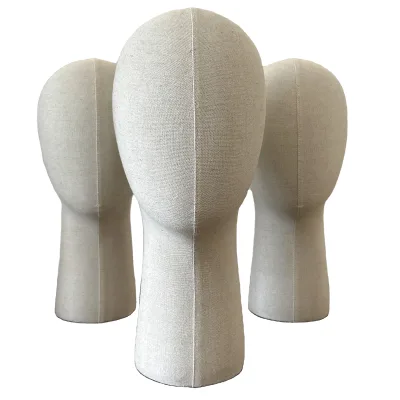
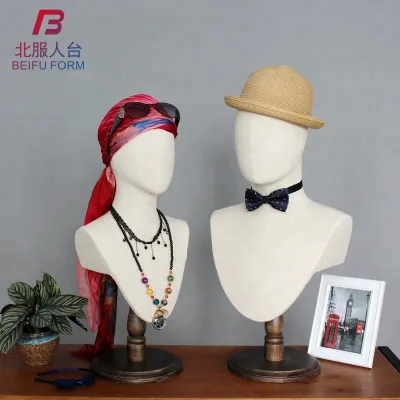
Find 30 adjustable durable mannequin head options from verified Chinese suppliers. Compare specifications including size, material, and customization for hat, wig, and jewelry display needs.
Key considerations
Products List









Comprehensive Sourcing Guide
Adjustable Durable Mannequin Head Sourcing Guide
Sourcing adjustable and durable mannequin heads requires a careful balance between aesthetic versatility and structural integrity, particularly for retail environments that demand frequent reconfiguration. The market offers a diverse range of options, from simple polyethylene forms to complex fiberglass constructs with shoulder mounts, each serving distinct display needs. Buyers must navigate a landscape where product attributes vary significantly, including material composition, size specifications, and customization capabilities. Understanding these variations is critical for selecting the right display solution that aligns with brand identity and functional requirements.
The procurement process involves evaluating multiple data points, such as minimum order quantities (MOQ), packaging dimensions, and origin locations, which directly impact logistics and cost efficiency. Observed listing signals indicate a wide price range and varying MOQs, suggesting that buyers can find solutions for both small boutique stores and large-scale retail chains. However, the presence of conflicting specifications, such as differing sizes and materials for similar product names, necessitates rigorous verification before placing orders. This guide provides a structured approach to navigating these complexities, ensuring that procurement decisions are based on accurate, verified information rather than ambiguous listing descriptions.
Product Scope and Observed Listing Signals
The current market for mannequin heads encompasses a broad spectrum of products, ranging from basic wig display forms to high-end art deco designs with shoulder mounts. Observed listings reveal products labeled as "Velvet Mannequin Head," "Doll Mannequin," and "Head Mannequin," indicating that the term "mannequin head" is used loosely across different product types. Some items are specified for hat, jewelry, and scarf display, while others are dedicated solely to wig presentation. This diversity means that buyers must clearly define their primary use case, whether it is for displaying wigs, hats, or accessories, to avoid purchasing a product that lacks the necessary features for their specific application.
Listing signals also highlight significant variations in material and construction, with options including polyethylene, plastic, polypropylene (PP), and fiberglass. These materials offer different levels of durability and weight, with fiberglass models often being heavier and more robust, suitable for permanent displays, while plastic options are lighter and more cost-effective for temporary or movable setups. Additionally, customization is frequently advertised, with options for customized colors and styles, allowing brands to align the mannequin heads with their visual merchandising strategies. Buyers should pay close attention to these material and customization details, as they directly influence the product's longevity and aesthetic appeal in a retail setting.
Technical Specifications to Verify
Verifying technical specifications is paramount when sourcing mannequin heads, as discrepancies in size, weight, and model numbers are common across listings. For instance, some products are listed with a size of 52cm, while others specify 50cm or 46cm, which can significantly affect how well they fit standard hats or wigs. Buyers must confirm the exact dimensions, including single package size and gross weight, to ensure compatibility with their display fixtures and to calculate accurate shipping costs. The presence of multiple model numbers, such as WT-038, WT-039, and WT-042, further underscores the need to cross-reference specifications with the supplier to avoid receiving the wrong variant.
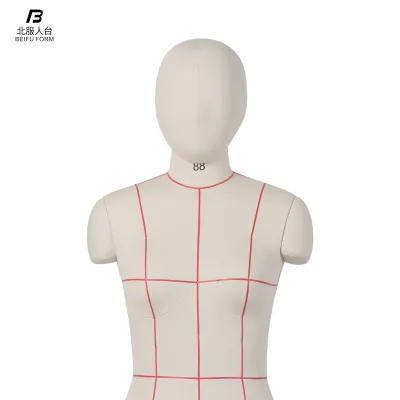
Material composition and structural features also require careful verification, as terms like "plastic" or "polyethylene" can encompass a wide range of qualities and durability levels. Some products are described as having a "standing pose" or including shoulders, which adds complexity to the design and may affect stability. Buyers should request detailed technical drawings or product samples to verify these features, especially if the mannequin head is intended for heavy items like winter hats or large wigs. Additionally, confirming the packaging type, such as PP or PVC bags within standard export cartons, is essential for protecting the product during transit and minimizing damage risks.
Compliance and Safety Documentation
While specific certification statuses are not uniformly provided in the observed listings, buyers must ensure that all mannequin heads comply with relevant safety and quality standards, particularly if they are intended for use in public retail spaces. Products made from plastics and fiberglass should be free from harmful chemicals and meet flammability standards to reduce fire risks. Buyers should request documentation such as Material Safety Data Sheets (MSDS) or test reports from independent laboratories to verify that the materials used are safe for consumer interaction. This is especially important for products that may come into direct contact with customers or are displayed in high-traffic areas.
Quality level claims, such as "High-quality" or "High Grade," are often used in listings but lack objective verification. Buyers should not rely solely on these marketing terms and instead demand evidence of quality control processes, such as ISO certifications or internal quality assurance protocols. Additionally, if the mannequin heads are intended for export to specific markets, buyers must ensure compliance with regional regulations, such as REACH in Europe or CPSIA in the United States, which govern the use of certain chemicals in consumer products. Verifying these compliance documents before placing large orders can prevent costly recalls or legal issues.
Cost Drivers and Commercial Terms
Cost drivers for mannequin heads include material type, customization options, and order volume, all of which influence the final price and commercial terms. Observed price ranges vary widely, from low-cost plastic options to more expensive fiberglass or customized designs, reflecting the diversity in quality and features. Minimum order quantities (MOQ) also play a significant role, with some suppliers requiring as few as one piece, while others mandate orders of 10 or 12 pieces per style. Buyers should negotiate MOQs based on their inventory needs and consider the cost per unit when evaluating the overall value proposition.
Commercial terms, including payment methods, lead times, and shipping arrangements, are critical factors in the procurement process. Buyers should clarify these terms with suppliers to avoid unexpected costs or delays. For instance, products originating from different regions, such as Zhejiang, Henan, or Guangdong in China, may have varying logistics costs and lead times. Additionally, customization options, such as specific colors or branding, may incur additional fees and extend production times. Understanding these commercial dynamics allows buyers to budget accurately and plan their inventory replenishment cycles effectively.
Supplier Qualification and Quality Control
Supplier qualification is a crucial step in ensuring the reliability and consistency of mannequin head supplies. Buyers should assess suppliers based on their production capacity, quality control processes, and track record in the industry. Given the observed variations in product specifications and origins, it is essential to verify that the supplier can consistently deliver products that meet the agreed-upon standards. Requesting references or case studies from previous clients can provide insights into the supplier's reliability and customer service quality.
Quality control measures should be implemented throughout the production and shipping process to minimize defects and ensure product integrity. Buyers should consider conducting pre-shipment inspections or hiring third-party inspection services to verify that the products match the approved samples in terms of material, size, and finish. Additionally, establishing clear communication channels with the supplier for addressing any quality issues or discrepancies is vital for maintaining a smooth procurement process. By prioritizing supplier qualification and rigorous quality control, buyers can mitigate risks and ensure a steady supply of high-quality mannequin heads for their retail operations.
Long-Term Procurement Checks
Long-term procurement success depends on regular performance reviews and continuous improvement of the supply chain. Buyers should monitor key performance indicators (KPIs) such as delivery times, product defect rates, and supplier responsiveness to identify areas for improvement. Establishing a feedback loop with suppliers can help address recurring issues and foster a collaborative relationship that benefits both parties. Additionally, staying informed about market trends and new product developments can help buyers stay competitive and meet evolving customer demands.
Regular audits of supplier compliance and quality standards are also essential for maintaining long-term procurement integrity. Buyers should periodically review supplier certifications and test reports to ensure ongoing compliance with safety and quality regulations. Furthermore, diversifying the supplier base can reduce dependency on a single source and mitigate risks associated with supply chain disruptions. By implementing these long-term checks and maintaining a proactive approach to supplier management, buyers can ensure a stable and efficient procurement process for mannequin heads and other display products.
FAQs
What material is used for the adjustable durable mannequin head?
The mannequin head is constructed from polyethylene or plastic materials. Some models specifically use PP or fiberglass for durability. This ensures the product remains sturdy for displaying hats, wigs, and jewelry in retail environments.
Which sizes are available for the mannequin head display?
Available sizes include 50cm and 52cm dimensions for the head itself. The single package size is typically 50x40x40 cm. These dimensions accommodate various display needs for hats and wigs effectively.
Can I customize the color of the mannequin head?
Yes, customization is available for the color of the mannequin head. Buyers can select from multiple color options to match their store aesthetic. This flexibility supports diverse branding requirements for retail displays.
What is the minimum order quantity for these mannequin heads?
The minimum order quantity varies by model, with some requiring 12 pieces and others 10 pieces per style. Specific listings show an MOQ range from 1 to 50 units. Buyers should verify the exact requirement for their selected model.
Where are these mannequin heads manufactured?
These products originate from manufacturing locations in Zhejiang, Henan, and Guangdong, China. The specific place of origin depends on the manufacturer and model selected. This ensures access to established production hubs in the region.
How is the mannequin head packaged for shipping?
The product is packed in PP or PVC bags and standard export cartons. This packaging protects the item during transit while maintaining its condition. The single gross weight is approximately 1.0 kg per unit.